
Tender-Ready Solar Street Lighting & Structural Solutions
Direct manufacturer supply for municipal corridors, heavy industrial facilities, regional expressways, and specialized marine logistics hubs.

Best Series Decorative Street Light Pole Manufacturers
View Specifications
High-Quality URBAN-GRID Series Low Voltage Power Distribution Poles
View Specifications
OEM AIRPORT-PORT SERIES High Mast Lighting Systems
View Specifications
High-Quality STADIUM SERIES High Mast Lighting Towers
View Specifications
OEM PUBLIC TRANSIT Series Municipal High Mast Poles
View Specifications
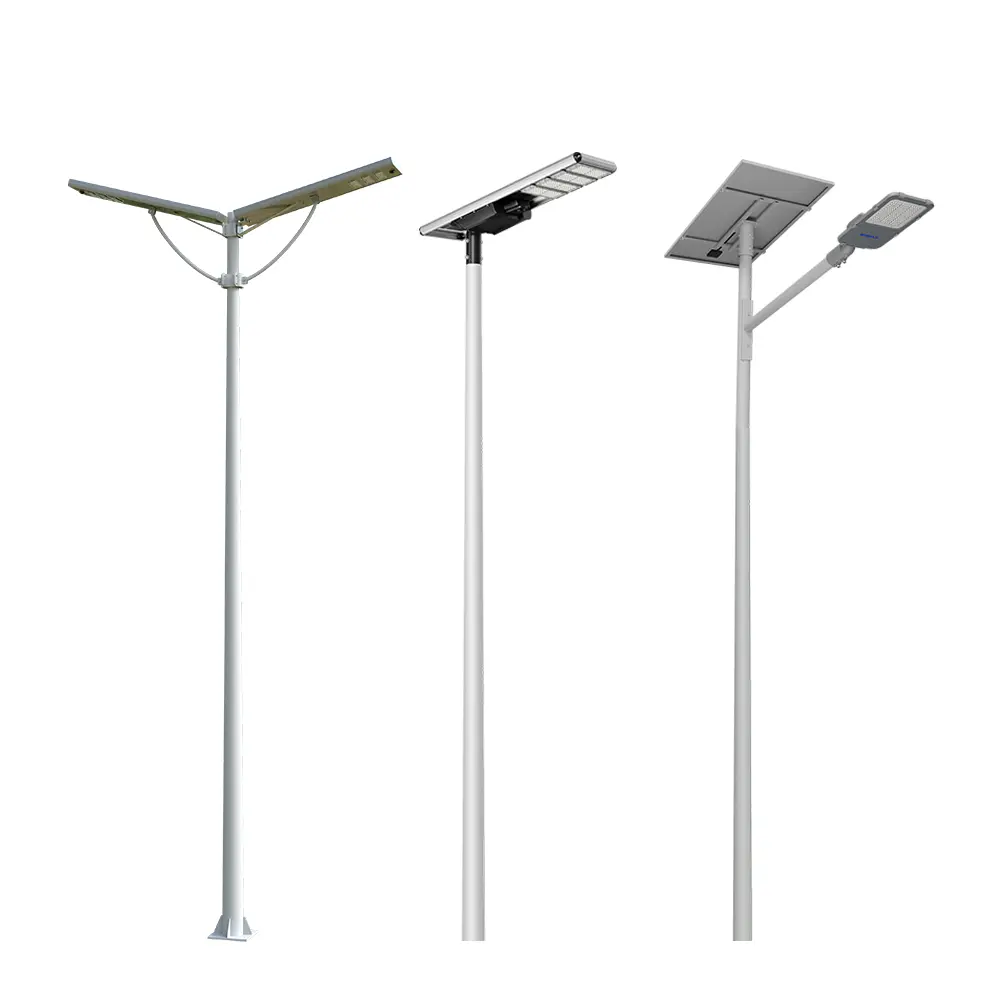
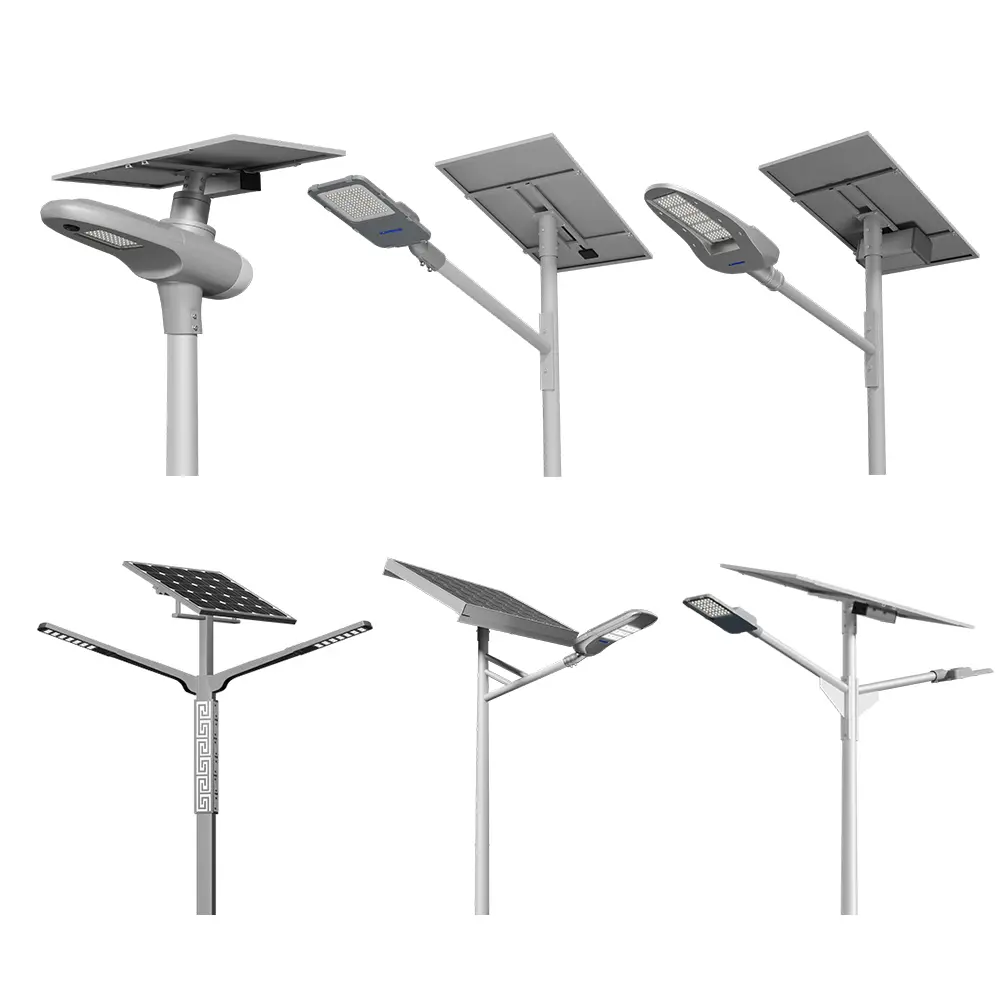
Best XT-DT-1 Series High-Power Split Type Solar Lighting
View Specifications
Buy XT-YTH-3 Series Compact Integrated All-In-One System
View Specifications
Buy XINTONG Heavy Municipal Street Light Pole Infrastructure
View SpecificationsEvolution of Energy Storage: The Lithium Revolution in Street Lighting
Analyzing the shift from legacy Valve-Regulated Lead-Acid (VRLA) and Gel accumulators to Grade-A Lithium Iron Phosphate (LiFePO4) chemistries.
LiFePO4 Chemical Stability & Thermal Runaway Immunity
Industrial-grade solar street luminaires require high operational security under extreme ambient thermal conditions. Traditional lithium cobalt oxide (LCO) or ternary NMC chemistries risk thermal runaway at temperatures exceeding 150°C. In contrast, Xintong's Grade-A Lithium Iron Phosphate (LiFePO4) exhibits strong phospho-oxide (P-O) covalent bonds, remaining thermally inert up to 270°C–300°C. This chemical stability eliminates explosive rupture risks in desert environments like the Middle East and sub-Saharan Africa.
Depth of Discharge (DoD) & Cycle Life Dynamics
While VRLA and deep-cycle Gel batteries experience irreversible sulfation when discharged past 50% DoD, prismatic LiFePO4 cells sustain 3,500 to 6,000 charge-discharge cycles at 80% DoD while retaining over 80% nominal capacity. This 4x cycle advantage translates directly into a 10-to-12 year operational lifespan without field replacement, radically reducing OPEX and leveling Total Cost of Ownership (TCO) across prolonged municipal concession terms.
Microprocessor Edge BMS Telemetry
The integrated Battery Management System (BMS) continuously executes active hardware cell balancing, over-voltage/under-voltage cutoffs, and over-current protection. Using localized temperature sensors coupled with low-temperature resistive heating films, Xintong systems enable sub-zero charging down to -30°C in high-latitude Central Asian zones (e.g., Kyrgyzstan, Kazakhstan), preventing dendritic lithium plating and internal catastrophic micro-shorts.
Electrochemical Architecture Comparison: Solar Infrastructure Applications
Verified Laboratory Metric| Battery Chemistry | Energy Density (Wh/kg) | Cycle Life (80% DoD) | Usable Capacity | Thermal Threshold | TCO (10-Year Lifecycle) |
|---|---|---|---|---|---|
| Prismatic LiFePO4 (Xintong Grade-A) | 145 – 175 Wh/kg | 4,500 – 6,000 cycles | 90% – 95% | Stable to +65°C (Runaway >270°C) | Lowest (-58% vs Lead) |
| Ternary Lithium (NMC / LiNiMnCoO2) | 180 – 240 Wh/kg | 1,200 – 1,800 cycles | 80% – 85% | Runaway Risk @ 150°C–180°C | Moderate (+30% vs LiFePO4) |
| Deep-Cycle Gel / AGM Lead-Acid | 30 – 45 Wh/kg | 400 – 600 cycles | 50% Max (Sulfation Risk) | Severe degradation >35°C | High (Requires 3-4 Replacements) |
| Emerging Sodium-Ion (Na-Ion) | 110 – 135 Wh/kg | 2,000 – 3,000 cycles | 85% – 90% | Operational to -40°C | Emerging (Niche Cold Climate) |
Global B2B Procurement Demands: Municipal, EPC, & Distributor Criteria
Addressing the technical, financial, and logistical bottlenecks facing government project leaders and international contractors.
1. Bankable Tender Documentation
Municipal procurement guidelines require comprehensive design verification before issuing Letter of Credit (LC) milestones. Xintong provides complete technical dossiers for every tender: structural load calculations adhering to AASHTO LTS-6, full-scale DIALux luminance simulations (M1 to M5 classifications), and third-party mill test certificates (MTC) proving steel purity and yield strength.
2. Zero-Failure Wind Load Integrity
Poles deployed in cyclone corridors (e.g., Philippines, Caribbean) demand precision aero-structural engineering. Our design process factors in local gust factors, effective projected area (EPA) of the PV module/luminaire, and high-strength Q355B low-alloy steel. Robotic submerged-arc longitudinal seam welding ensures 100% full-penetration joint integrity, resisting up to 160 km/h hurricane conditions.
3. Complete Balance-of-System (BOS)
EPC contractors lose profit margins when procuring poles, LED fixtures, solar panels, and batteries from fragmented suppliers. As a single accountable original equipment manufacturer (OEM), Xintong eliminates cross-component friction. Cables, connectors (IP68 Amphenol/MC4), bracket assemblies, foundation anchor cages, and controller profiles arrive pre-matched and factory-commissioned.
Macro Industry Solutions: Tailored Structural Configurations
Strategic architectural selection based on solar insolation (Peak Sun Hours), road geometry, and localized climate dynamics.
Split-Type Solar Architecture (XT-DT-1 Series)
Designed for multi-lane expressways, major arterials, and high-latitude zones. The photovoltaic array is decoupled from the luminaire housing, enabling independent 360° azimuth orientation and optimal tilt angle optimization (15° to 60°). Houses high-capacity Grade-A LiFePO4 packs (up to 24V/150Ah) either inside the pole base compartment or secured beneath the solar module bracket, providing 5 to 7 days of continuous cloudy/rainy day autonomy.
Integrated All-in-One Architecture (XT-YTH Series)
Engineered for rapid municipal rollouts, residential pathways, industrial perimeters, and rural electrification tenders. Monocrystalline N-Type TOPCon cells, ultra-long-life LiFePO4 battery pack, smart MPPT controller, and Bridgelux/Lumileds LED modules are unified within an aerodynamically streamlined ADC12 die-cast aluminum alloy housing. Minimizes wind resistance, slashes installation labor to under 15 minutes per pole, and prevents external cable vandalism.
Smart City Mesh & IoT Central CMS Platform
Integrates wireless transmission (LoRaWAN, Zigbee, or NB-IoT) directly into each luminaire node. Municipal command centers monitor battery state-of-charge (SoC), operational temperatures, panel degradation, and real-time power metrics. Dynamic smart-dimming schedules (PIR human sensing, virtual midnight calibration, vehicular flux adaptation) conserve up to 40% additional stored energy during off-peak hours.
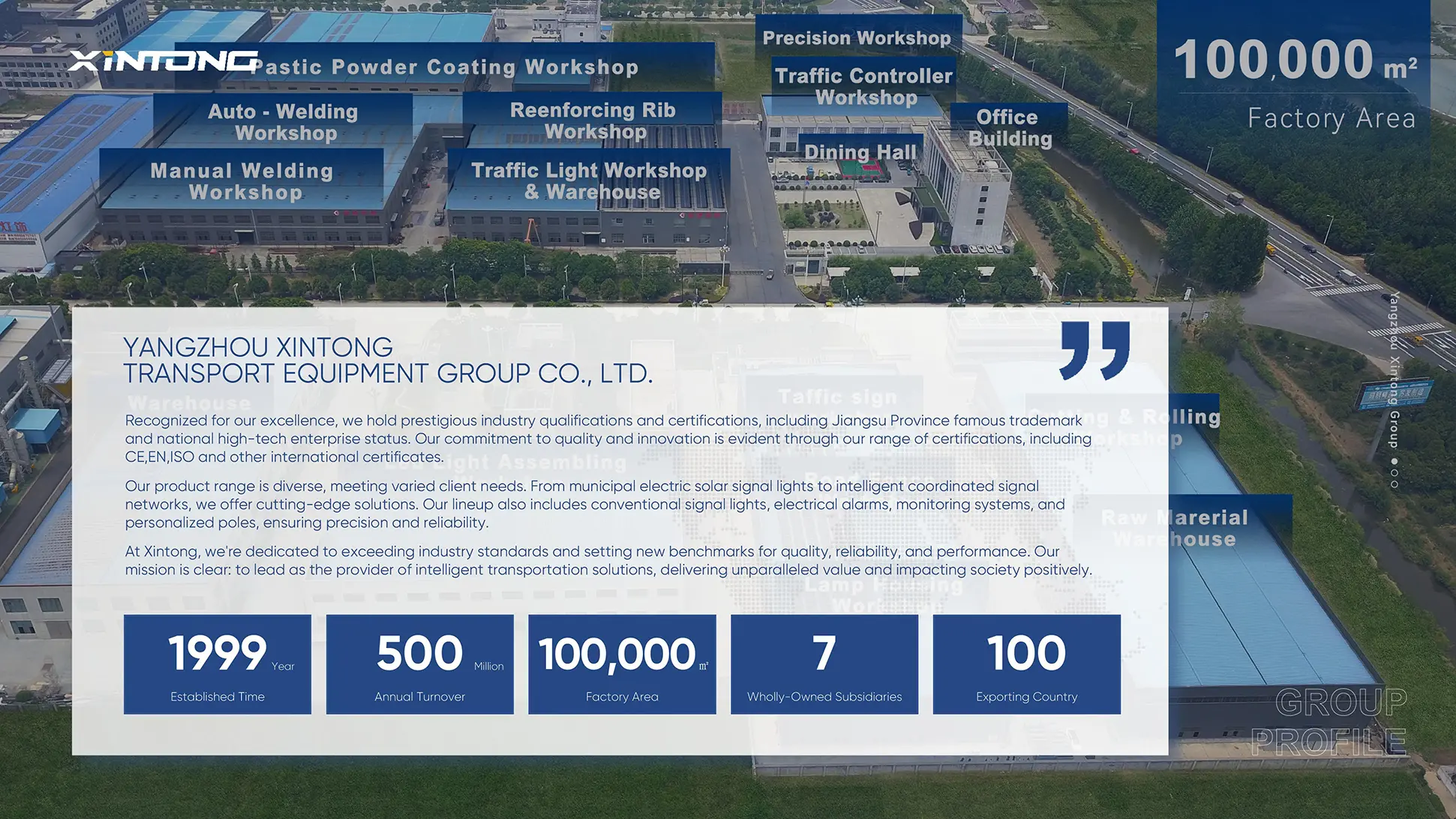
End-to-End Industrial Manufacturing Rigor: Gaoyou, Jiangsu
Full vertical integration ensures tight tolerances across structural steel bending, automated welding, hot-dip galvanizing, and electro-optical assembly.
Q235B / Q355B Steel CNC Processing
High-tensile structural coil slitting and automated 16-meter hydraulic press-brake bending for precision conical, octagonal, and polygonal cross-sections.

Automatic Submerged-Arc Seam Welding
Continuous robotic longitudinal welding complying with AWS D1.1 and EN ISO 15614 standards. Full root penetration with zero undercut or seam porosity.

Hot-Dip Galvanizing & Electrostatic Coating
Complete internal and external thermal immersion in 450°C molten zinc (ASTM A123 / EN ISO 1461), achieving an 86μm+ protective layer with optional RAL powder coating.
Cleanroom Lithium Battery Assembly
Automated spot-welding of high-capacity LiFePO4 cells, installation of multi-layer BMS protection boards, vibration dampening, and IP67/IP68 hermetic vacuum sealing.
Integrating Sphere & Photometrics
Every luminaire batch undergoes integrating sphere spectroradiometry, LM-79 lumen maintenance verification, and precision optical batwing goniophotometer mapping.
Pre-Shipment QA & Containerization
Flange plate dimensional checking, thread protection, bubble wrap with industrial burlap packaging, and customized sea freight steel frame nesting to prevent transit damage.
Localized Support, Quality Governance & Global Compliance
Stringent compliance with international infrastructure standards ensures friction-free customs clearance and swift municipal acceptance.
Structural Engineering Standards
Complies with EN 40-3-1/3-3, AASHTO LTS-6, and ASTM A123. Complete finite element analysis (FEA) ensures deflection and vibrational frequency limits remain well within safe operating envelopes.
Lithium Battery Safety & Transport
Certified under UN38.3 (vibration, thermal shock, external short circuit, impact), MSDS, IEC 62133-2, and CE-LVD, providing seamless maritime and air-cargo logistics across major carriers.
Photometric & Ingress Integrity
Complies with IEC 60598-1, IP66/IP67 dust and high-pressure water ingress ratings, IK09/IK10 mechanical impact resistance, and certified IESNA LM-80/TM-21 reporting L70 lifetimes >100,000 hours.
Multilingual EPC Field Assistance
Dedicated engineering teams support contractors via remote video or on-site supervision. We supply foundation anchor bolt templates, civil wiring schematics, torque specifications, and responsive DIALux simulation files.
Global Project Case Studies: Proven In Severe Environments
Review critical infrastructure deployments completed by Xintong engineering teams across 80+ countries.
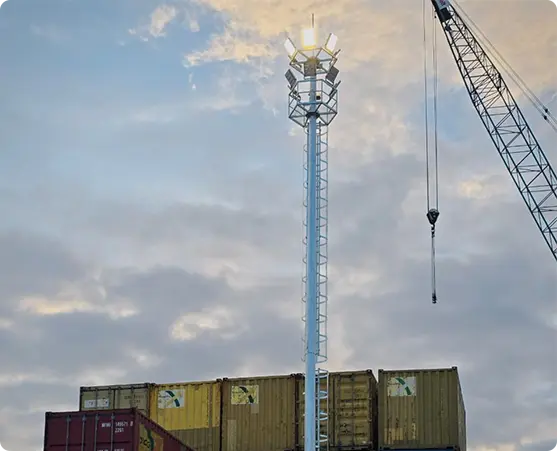
Cebu Baseport Terminals 2 & 4 Lighting
Heavy polygonal high-mast towers and custom LED floodlighting engineered for continuous round-the-clock cargo and container operations. Hot-dip galvanized to withstand constant marine salt-spray fog and aggressive C5-M coastal corrosion.
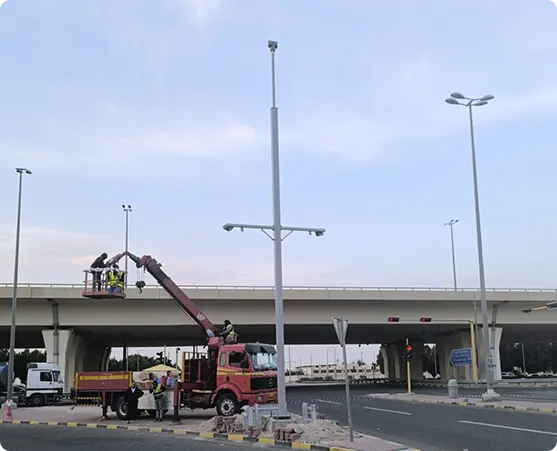
Public Safety CCTV Monitoring Poles
Structural steel camera and sensor masts designed for high wind resistance and severe ambient heat exceeding +50°C. Features internal cable routing channels and customized vibration-dampening brackets for sensitive optical surveillance equipment.
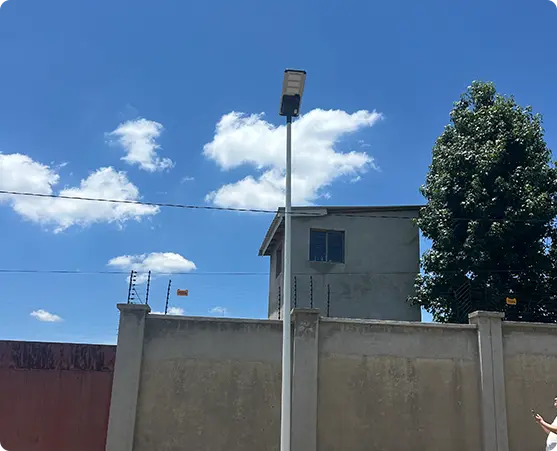
7m / 60W Integrated Solar Street Lighting
Deployed across urban arterials and townships to ensure continuous roadway safety during national grid load-shedding events. Zero-trenching all-in-one architecture enabled rapid commissioning without disrupting arterial traffic.
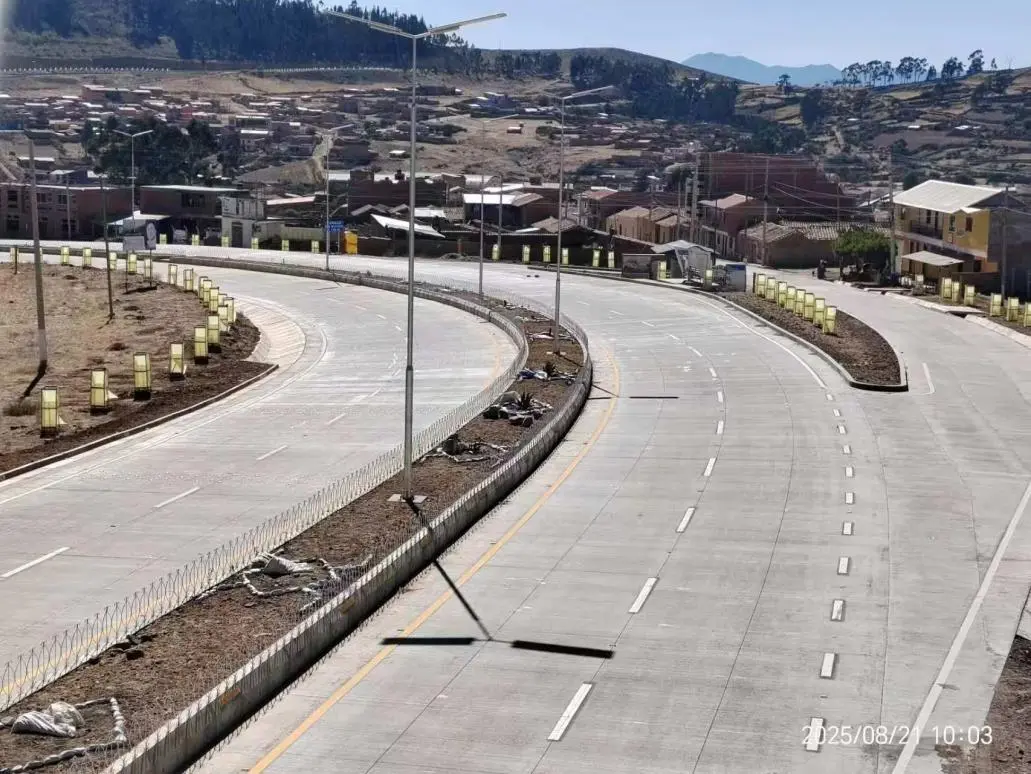
Chancay Port Municipal Logistics Road
Off-grid solar street lighting installations serving high-tonnage freight corridors adjacent to Peru's new deep-water container terminal. Configured with split-type high-capacity LiFePO4 battery modules to guarantee high illuminance uniformity.
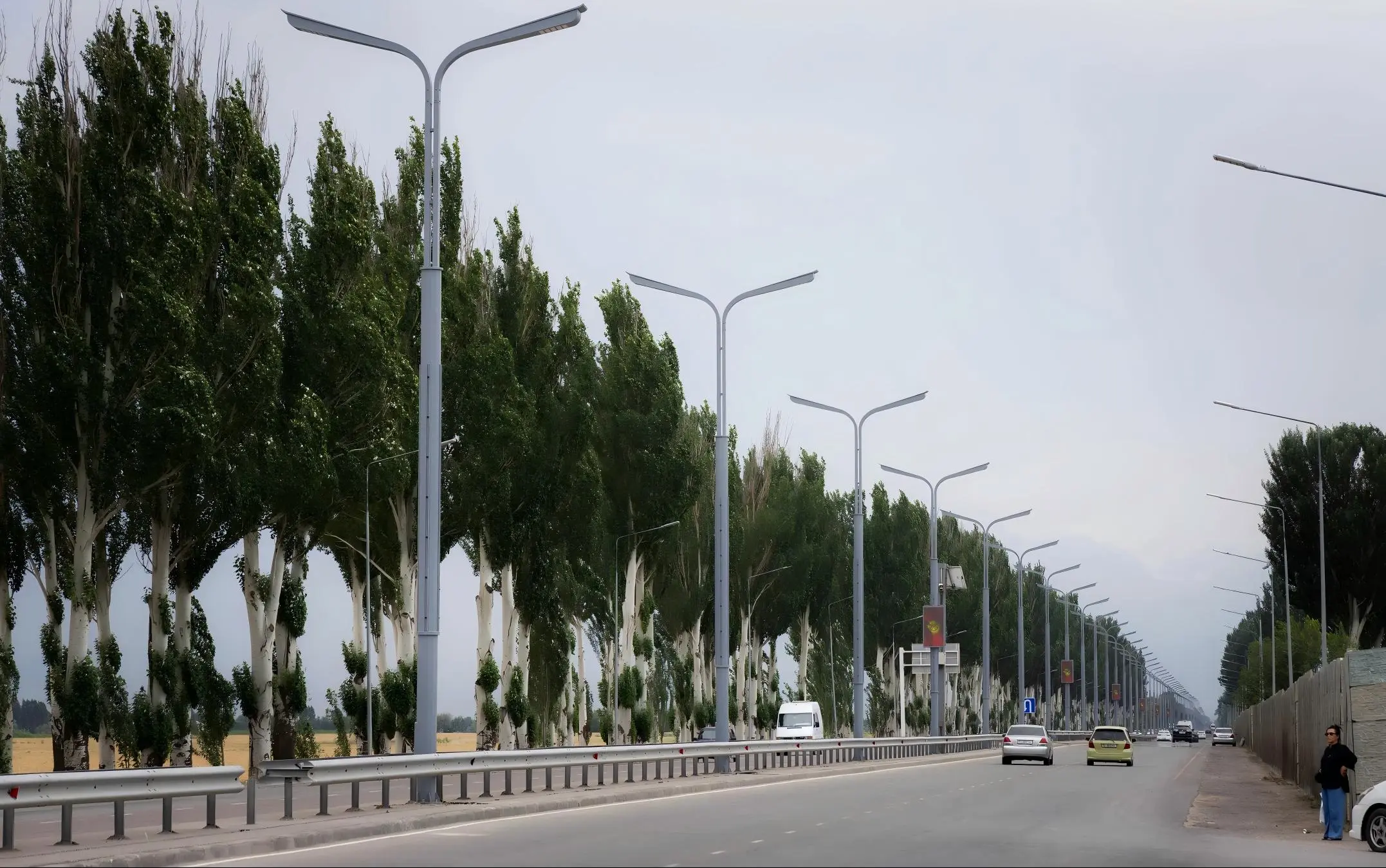
Manas Airport – Bishkek Expressway
Double-arm conical galvanized steel poles built to withstand sub-zero Central Asian winter blizzards and heavy seismic loading. Integrated with automated heating systems to preserve battery efficiency during sub-zero cold snaps.
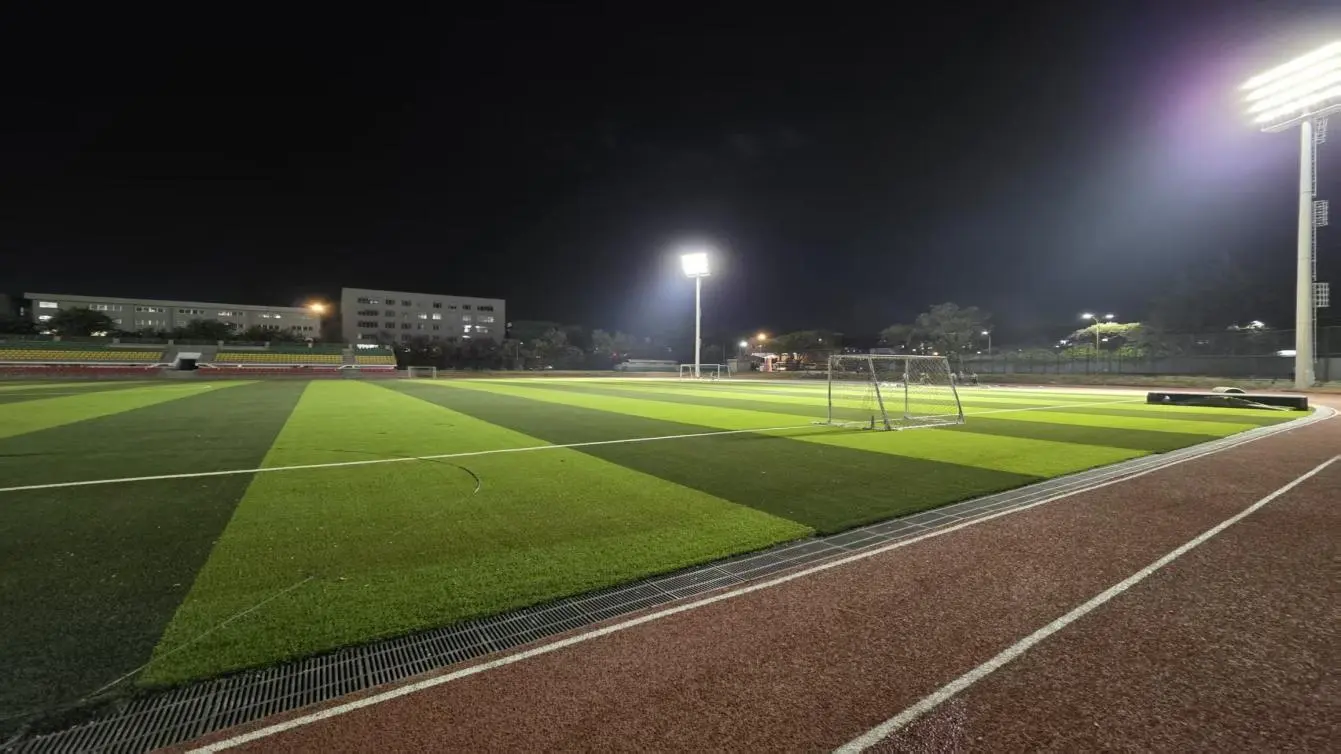
Stadium & Athletics Track High Mast Lighting
Galvanized polygonal high-mast towers equipped with precision motorized raising-and-lowering crown platforms. Head-frames are customized based on detailed DIALux photometric aiming studies to ensure low-glare, broadcast-ready field coverage.
Technology Roadmap & Future Outlook: Next-Gen Solar Infrastructure
Evaluating upcoming technological paradigms that will define municipal outdoor illumination over the next decade.
1. Sodium-Ion (Na-Ion) Cold Climate Hybridization
As sodium-ion cathode chemistries mature, Xintong's R&D division is validating hybrid Na+/LiFePO4 energy storage packs. With discharge capability down to -40°C without auxiliary heating films and superior abundance of precursor raw materials, sodium-ion technology represents a major frontier for sub-arctic infrastructure tenders across Northern Europe and Central Asia.
2. Perovskite-Silicon Tandem Photovoltaics
Commercialization of perovskite tandem layers atop N-Type TOPCon wafers is projected to elevate production module conversion efficiencies beyond 28%. This breakthrough will permit compact pole profiles while generating sufficient daily watt-hours to support expanded auxiliary power demands, including environmental sensors and public Wi-Fi hotspots.
3. 5G Micro-Cell & V2X Connected Smart Poles
The transformation of conventional street lights into connected nodes is accelerating. Multifunctional smart poles now integrate 5G micro-base stations, electric vehicle (EV) charging sockets, license plate recognition (LPR) cameras, and Vehicle-to-Everything (V2X) low-latency transceivers, establishing the core infrastructure for autonomous urban transit corridors.
Frequently Asked Technical & Operational Questions
Clear, direct answers addressing engineering specifications, quality control, warranties, and international logistics.
Are you a manufacturing factory or a trading company?
Xintong is an established manufacturer. Founded in 1999, we operate a 100,000 m² production base in Gaoyou, Jiangsu, China, with 7 production lines covering steel pole forming, welding, hot-dip galvanizing, powder coating, and LED/solar lighting assembly. Buyers are welcome to audit our factory on-site or via live video inspection.
Which markets do you serve, and which standards do you work to?
Our products are installed in 80+ countries across Central Asia, the Middle East, Africa, Southeast Asia, and South America. We manufacture to EN, ASTM, and AASHTO specifications under ISO 9001/14001 quality management, supplying material certificates (MTC), galvanizing reports, and factory acceptance test (FAT) records with every shipment.
Do you sell individual components, or complete system solutions?
We provide both. Beyond supplying individual poles and luminaires, our engineering department delivers complete turn-key proposals: CAD structural drawings, 3D renderings, and DIALux lighting simulations, backed by remote or on-site commissioning support. Warranty coverage is available for up to 10 years depending on the project tier.
What project parameters are required for an accurate technical proposal?
Please share the road width and classification, target lux or candela level, pole mounting height, local design wind velocity (m/s or km/h), power source (off-grid solar or hybrid), required autonomy days (consecutive overcast/rainy days), order quantity, and preferred Incoterm/destination port.
How do you protect steel poles and assemblies against environmental corrosion?
Poles are fabricated from Q235B or Q355B structural steel and fully hot-dip galvanized inside and out after cutting and welding, achieving an 86μm+ zinc layer complying with ASTM A123 / EN ISO 1461. This is topped with an optional electrostatic polyester powder coat, delivering 25+ years of maintenance-free service life even in C4/C5 coastal environments.
How does the BMS manage charging performance in extreme freezing temperatures?
Standard lithium batteries can suffer internal lithium plating when charged below 0°C. Xintong's sub-zero LiFePO4 packs feature an intelligent BMS that diverts solar current into an internal silicone resistive heating blanket until the core temperature reaches +5°C, at which point fast-rate charging commences automatically.
High-Performance Municipal, Highway & High-Mast Systems
Explore additional certified models engineered to meet rigorous international tender benchmarks.

OEM XT-YTH-9 Series High-Lumen All-In-One Solar Light
View Specifications
Custom Full Series Conical & Octagonal Municipal Poles
View Specifications
OEM Multifunctional Smart City Integrated Engineering Poles
View Specifications
Custom High-Strength Steel Poles for Extreme Conditions & Heavy Loads
View Specifications
High-Efficiency Split Type Industrial Solar Street Lighting
View Specifications
All-In-One Integrated Highway Lighting Systems
View Specifications
Heavy Duty Port Logistics High Mast Floodlight Mast
View Specifications